Claim Your Free Estimate on Our Services Today!
Keeping your outdoor space clean and organized improves curb appeal, supports healthy landscaping, and creates a safer environment for your family and visitors. Whether you are dealing with fallen leaves, broken branches, grass clippings, or storm debris, learning how to remove yard waste properly can make yard maintenance easier and more efficient.
Many homeowners allow debris to pile up because cleanup feels time-consuming or overwhelming. However, with the right tools, a clear plan, and consistent maintenance, yard cleanup can become much more manageable. This guide explains simple steps for handling yard debris, proper disposal methods, and practical ways to maintain a neat property throughout the year.
Why Yard Waste Removal Matters
Routine yard waste removal helps prevent landscaping problems and keeps outdoor areas functional. Leaves, branches, and organic debris can trap moisture, attract pests, and damage grass if left unattended for long periods. Excess debris may also block drainage areas and create slippery surfaces after rain.
A clean yard also improves the appearance of your property. Whether you are preparing for seasonal changes, hosting guests, or simply maintaining your home, regular cleanup keeps the space looking polished and cared for.
For larger properties or heavily neglected landscapes, professional help may be necessary. A professional yard cleanup service can handle heavy debris, overgrown vegetation, and difficult cleanup projects safely and efficiently.
Common Types of Yard Waste
Before starting cleanup, it helps to identify the types of debris you need to remove. Common yard waste includes:
- Fallen leaves
- Grass clippings
- Tree limbs and branches
- Weeds and dead plants
- Mulch buildup
- Storm debris
- Hedge and shrub trimmings
- Dirt and organic material
Some properties may also require overgrown yard cleanup if vegetation has spread into walkways, fences, or outdoor living areas.
Step 1: Gather the Right Yard Cleanup Tools
Using the correct equipment can save time and reduce physical strain during cleanup. Basic yard maintenance tools include:
- Leaf rake
- Lawn bags or bins
- Garden gloves
- Pruning shears
- Wheelbarrow
- Leaf blower
- Shovel
- Tarps for hauling debris
For larger cleanup projects, equipment like chainsaws, hedge trimmers, or wood chippers may be useful. However, these tools should always be operated carefully and according to safety guidelines.
If the cleanup project involves extensive debris or hazardous materials, contacting a yard cleanup company may be the safer and more practical option.
Step 2: Separate Yard Waste Into Categories
Sorting debris before disposal makes the cleanup process more organized. Separate materials into groups such as:
1. Organic Waste
This includes leaves, grass clippings, weeds, and small plant debris. Organic materials can often be composted or placed in yard waste collection bins.
2. Branches and Wood Debris
Tree limbs and thick branches may require cutting into smaller sections before disposal. Some municipalities offer branch pickup services during specific seasons.
3. Dirt and Heavy Debris
Excess soil, rocks, and construction-related debris may need special disposal methods depending on local regulations.
Separating materials early also helps determine what can be reused, composted, or recycled.
Step 3: Remove Leaves and Grass Clippings
Leaves and grass clippings are among the most common types of yard waste. Start by raking or blowing debris into manageable piles. Use tarps or yard bags to transport material efficiently.
Grass clippings can often be composted or left in thin layers on the lawn to provide nutrients. However, thick piles should be removed because they can smother healthy grass growth.
During fall seasons, leaves should be removed regularly to avoid mold growth and lawn damage.
Step 4: Trim Overgrown Areas
Overgrown shrubs, weeds, and tree branches can make a yard appear neglected and difficult to maintain. Begin trimming vegetation away from pathways, fences, and structures.
For overgrown yard cleanup projects, focus on:
- Removing invasive weeds
- Cutting back dense brush
- Trimming low tree branches
- Clearing areas around sheds and patios
- Opening blocked walkways
Always wear protective gloves and eye protection when handling sharp branches or heavy vegetation.
If growth is extensive or difficult to manage, hiring a professional yard cleanup crew can help restore the property more efficiently.
Step 5: Dispose of Yard Waste Properly
Proper disposal is an important part of learning how to remove yard waste responsibly. Disposal options may vary depending on your location, but common methods include:
1. Municipal Yard Waste Collection
Many cities offer curbside pickup services for bagged leaves, branches, and grass clippings. Check local guidelines for accepted materials and collection schedules.
2. Composting
Organic yard debris can be composted to create nutrient-rich soil for gardens and landscaping. Composting reduces landfill waste while supporting healthier plant growth.
3. Recycling Centers
Some facilities accept tree limbs, mulch materials, and organic debris for recycling into wood chips or compost products.
4. Dumpster Rentals
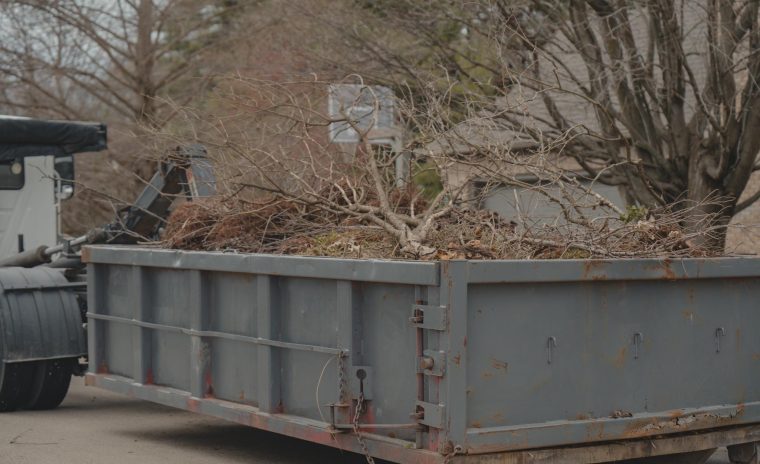
Large-scale cleanup projects may require temporary dumpsters for efficient debris removal.
5. Professional Removal Services
For heavy cleanup projects, a yard cleanup company can handle loading, hauling, and disposal while saving homeowners significant time and labor.
Step 6: Prevent Future Yard Waste Buildup
Consistent maintenance helps reduce large cleanup projects later. Instead of waiting until debris becomes overwhelming, create a simple seasonal maintenance schedule.
Helpful maintenance habits include:
- Raking leaves weekly during fall
- Mowing grass regularly
- Trimming shrubs before overgrowth occurs
- Removing dead plants promptly
- Cleaning gutters to prevent debris overflow
- Inspecting trees after storms
Routine maintenance minimizes labor and helps keep outdoor spaces manageable year-round.
Benefits of Professional Yard Cleanup
While many homeowners handle basic cleanup themselves, certain situations may require professional assistance. Professional yard cleanup services can provide:
- Faster debris removal
- Safe handling of heavy materials
- Efficient cleanup after storms
- Equipment for large-scale projects
- Proper disposal methods
- Improved property appearance
Professional crews are especially helpful for neglected landscapes, seasonal cleanup, or large properties with extensive vegetation.
Hiring a professional yard cleanup team can also reduce the physical demands associated with lifting branches, hauling debris, and operating power equipment.
Seasonal Yard Cleanup Tips
Different seasons create different yard maintenance needs. Adjusting your cleanup routine throughout the year can help maintain a cleaner landscape.
1. Spring
- Remove winter debris
- Trim damaged branches
- Prepare flower beds
- Clear dead vegetation
2. Summer
- Mow regularly
- Remove weeds
- Trim shrubs
- Monitor storm debris
3. Fall
- Rake leaves frequently
- Clean gutters
- Cut back perennials
- Remove fallen branches
4. Winter
- Clear debris before snow accumulation
- Protect vulnerable plants
- Inspect trees for damage risks
Seasonal maintenance keeps cleanup manageable and helps preserve healthy landscaping.
Final Thoughts
Understanding how to remove yard waste effectively can help homeowners maintain a cleaner, healthier, and more attractive outdoor space. From clearing leaves and trimming overgrowth to disposing of debris properly, small maintenance efforts can make a major difference throughout the year.
Whether you handle cleanup independently or hire a professional yard cleanup service, staying consistent with maintenance helps prevent larger issues later. A well-maintained yard not only improves curb appeal but also creates a safer and more enjoyable environment for outdoor activities and relaxation.
By following these simple cleanup steps and adopting regular maintenance habits, homeowners can keep their outdoor spaces organized, functional, and visually appealing in every season.